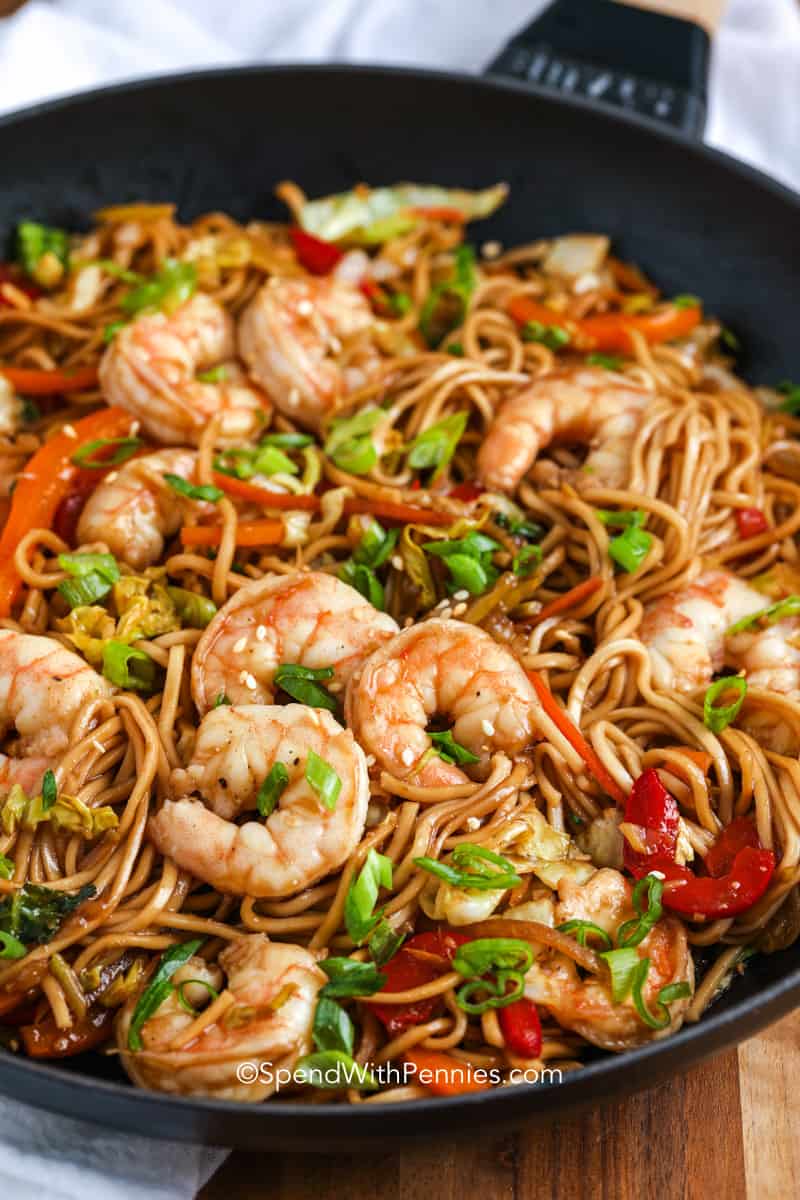
Homemade Shrimp Lo Mein: Unlock the Secrets to Takeout Taste at Home
There’s a certain magic to a perfect plate of shrimp lo mein – those springy noodles, succulent shrimp, and a medley of crisp-tender vegetables, all coated in a rich, savory sauce that screams comfort. For many, this dish is synonymous with the joy of Chinese takeout, a reliable treat after a long week. But what if we told you that achieving that authentic, irresistible flavor at home isn't just possible, it’s also surprisingly quick and satisfying? Forget waiting for delivery; with a few insider tips and a clever approach to ingredients, you can whip up homemade shrimp lo mein that rivals, and often surpasses, your favorite restaurant version, all in less time than it takes to get to your front door.
The beauty of homemade lo mein lies in its adaptability and the fresh quality of its ingredients. It's a dish that embodies culinary improvisation, much like the cherished family recipes passed down through generations. The secret isn't in a complex cooking technique, but rather in understanding the core components and how they harmoniously come together. This article will guide you through crafting a truly memorable shrimp lo mein, transforming your kitchen into a hub of delicious, convenient Asian-inspired cuisine.
The Core of Flavor: Mastering the Irresistible Lo Mein Sauce
The true soul of any exceptional shrimp lo mein resides in its sauce. This isn't just a liquid; it's the magical elixir that binds all the ingredients, infusing every noodle and piece of shrimp with that signature takeout taste we all crave. While many variations exist, a classic, deeply flavorful lo mein sauce relies on a harmonious blend of fundamental Asian condiments, often centered around a trio of powerhouses: oyster sauce, hoisin sauce, and soy sauce.
*
Oyster Sauce: This is arguably the most crucial player, offering a deep, umami-rich, slightly sweet, and savory foundation. Its thick consistency helps the sauce cling beautifully to the noodles and vegetables, ensuring every bite is coated in flavor.
*
Hoisin Sauce: Known as Chinese barbecue sauce, hoisin contributes a distinctive sweet and savory profile with hints of fermented soybeans, garlic, and chili. It adds complexity and a lovely depth of color, making the sauce incredibly inviting. We adore hoisin sauce for its versatility and its ability to elevate simple dishes into something extraordinary.
*
Soy Sauce: The quintessential seasoning in Asian cuisine, soy sauce provides essential saltiness and a fundamental umami note. Depending on your preference, you can use light or dark soy sauce, with dark soy adding a richer color and slightly sweeter, more pronounced flavor.
Beyond this foundational trio, you can personalize your homemade shrimp lo mein sauce to suit your palate. A touch of toasted sesame oil adds a nutty aroma, while a splash of rice vinegar can brighten the flavors with a subtle tang. For an extra layer of complexity, consider finely minced fresh ginger and garlic, or a pinch of white pepper. Some recipes also incorporate a bit of chicken or vegetable broth to thin the sauce to the desired consistency, along with a cornstarch slurry to achieve that perfect glossy, slightly thickened texture as it simmers. Remember, balancing these flavors is key – taste and adjust as you go! For even more creative ideas and ingredient swaps to perfect your sauce, be sure to read our detailed guide:
The Secret to Irresistible Shrimp Lo Mein: Sauce & Ingredient Swaps.
Building Your Lo Mein: Noodles, Protein, and Veggie Power-Ups
With your incredible sauce ready, it's time to assemble the other stars of your homemade shrimp lo mein: the noodles, protein, and a vibrant array of vegetables. Each component plays a vital role in creating that satisfying texture and flavor combination.
The Noodle Foundation: Lo Mein vs. Chow Mein
When it comes to lo mein, the noodles are paramount. Traditional lo mein utilizes fresh or dried egg noodles – long, springy, and thick, they are designed to absorb the flavorful sauce without becoming soggy. The defining characteristic of lo mein preparation is that the noodles are cooked separately, typically boiled or blanched until al dente, and then added at the very end to be tossed with the sauce and other ingredients. This allows them to maintain their distinct texture.
This approach stands in contrast to chow mein, where the noodles are often stir-fried with the other components, sometimes even crisped up. While both are delicious, their preparation methods result in distinctly different textures and sauciness. For a deeper dive into these popular noodle dishes and how to tell them apart, check out:
Shrimp Lo Mein vs. Chow Mein: Unlock Their Delicious Differences.
The Star Protein: Succulent Shrimp
Shrimp is a fantastic choice for lo mein, not just for its delightful flavor and texture, but also for its rapid cooking time. It’s a perfect "quick-cooking protein," making your homemade lo mein genuinely faster than takeout. For the best results, opt for medium to large shrimp, peeled and deveined. You can use either fresh or frozen shrimp; if using frozen, ensure they are fully thawed and patted dry before cooking to prevent excess moisture from steaming rather than searing. Cook shrimp quickly over high heat until they just turn opaque and pink – overcooked shrimp can become rubbery.
Crunchy Veggie Power-Ups
One of the great joys of lo mein is its versatility with vegetables. This is where you can truly embrace the "use what you have" philosophy. A bag of pre-shredded vegetable slaw mix is a brilliant shortcut, instantly adding a vibrant mix of cabbage and carrots. Beyond that, consider an assortment of colorful and crunchy vegetables to enhance both flavor and nutrition. Common choices include:
*
Carrots: Julienne or shredded for sweetness and color.
*
Mushrooms: Sliced cremini, shiitake, or white button mushrooms add earthy umami.
*
Bell Peppers: Red, yellow, or orange bell peppers provide a sweet crunch and beautiful hue.
*
Broccoli or Broccolini: Florets add a hearty green and texture.
*
Snow Peas or Snap Peas: For a sweet, crisp pop.
*
Zucchini: Sliced into half-moons for a tender addition.
*
Bok Choy: Roughly chopped, for a slight bitterness and tender leafiness.
*
Green Onions: Sliced for garnish and a mild oniony bite.
You can use a mix of fresh and frozen vegetables. If using frozen, ensure they are thawed and drained well to prevent watering down your sauce. The key is to cook them until they are crisp-tender, retaining some bite for textural contrast.
The "Faster Than Takeout" Advantage: Smart Shortcuts and Prep Tips
The promise of homemade lo mein being quicker than calling for delivery isn't an exaggeration – it's a testament to smart kitchen organization and clever shortcuts. The secret weapon here is efficient mise en place, a French culinary term meaning "everything in its place."
1.
Prep Ahead: The ultimate time-saver is to prepare all your ingredients before you even turn on the stove. This means mixing your sauce components, chopping all your vegetables, peeling and deveining your shrimp, and boiling your noodles until they are just right. Having everything ready ensures a smooth, rapid stir-fry process, preventing anything from overcooking while you're scrambling for the next ingredient.
2.
Pre-Cut Veggies: Embrace convenience! Bags of pre-cut stir-fry mixes, shredded cabbage, or carrot sticks are your best friends. They drastically reduce prep time without sacrificing quality or freshness. Frozen mixed vegetables are also excellent, especially if you thaw and drain them thoroughly first.
3.
Quick-Cooking Shrimp: As mentioned, shrimp cooks incredibly fast. This is a huge advantage. Just a couple of minutes per side in a hot wok or skillet is usually all it takes.
4.
Make Your Sauce in Advance: Whip up a larger batch of your lo mein sauce and store it in an airtight container in the refrigerator for up to a week. This way, you're always just minutes away from a flavorful meal.
5.
High Heat, Quick Cooking: Lo mein, like most stir-fries, thrives on high heat and quick cooking. Use a large wok or a spacious skillet to ensure ingredients have enough room to cook without steaming. Cook ingredients in batches if necessary, especially if you have a smaller pan, to prevent overcrowding, which can lower the temperature and lead to soggy rather than crisp-tender results.
By following these simple yet effective strategies, you'll find that assembling a delicious, restaurant-quality shrimp lo mein is not just easy, but also an incredibly rewarding experience that fits perfectly into a busy schedule.
Crafting the Perfect Bite: Assembly and Serving Suggestions
The final stage of creating your homemade shrimp lo mein is where all the prepared elements come together in a delicious symphony of flavors and textures. Unlike stir-fries where everything cooks together from the start, lo mein involves a strategic "stir-together" approach, ensuring each component retains its integrity.
Once your noodles are cooked al dente and drained, your shrimp is perfectly pink and tender, and your vegetables are crisp-tender, it's time for the grand finale. Typically, you'll return your wok or large skillet to high heat. Add a touch of oil, then quickly toss in your cooked vegetables and shrimp. Introduce the pre-cooked noodles, then pour in your prepared lo mein sauce.
The key here is to toss everything vigorously and continuously, ensuring every strand of noodle and every piece of ingredient is thoroughly coated in the rich, savory sauce. The high heat will help the sauce thicken slightly and become glossy as it coats, creating that irresistible texture. This final toss should only take a couple of minutes – just enough time to heat everything through and let the flavors meld.
Garnishes for Elevated Experience
While the dish itself is a complete meal, garnishes can elevate your homemade shrimp lo mein from great to gourmet. Consider:
*
Sliced Green Onions: Adds a fresh, mild oniony bite and vibrant color.
*
Toasted Sesame Seeds: Provides a nutty crunch and visual appeal.
*
Garlic Crisps: For an incredible layer of crunchy texture and pungent flavor, store-bought or homemade garlic crisps are a fantastic addition.
*
Shredded Nori Seaweed: For an unexpected yet delightful umami boost and subtle oceanic flavor, a sprinkle of shredded nori can be a unique twist.
Serving Suggestions
Homemade shrimp lo mein is a hearty, fulfilling meal on its own. However, if you're aiming for a full "takeout at home" experience, consider serving it alongside other Asian-inspired sides. Think about crispy spring rolls, savory potstickers, a refreshing cucumber salad, or even a simple bowl of steamed rice for those who might prefer a less saucy option. It’s perfect for family dinners, meal prep, or impressing guests with your culinary prowess.
Conclusion
Creating homemade shrimp lo mein is more than just cooking a meal; it's an exploration of flavor, convenience, and the immense satisfaction of crafting restaurant-quality food in your own kitchen. From mastering the harmonious blend of oyster, hoisin, and soy sauces to skillfully integrating tender shrimp and a rainbow of crisp vegetables with perfectly cooked noodles, every step contributes to an unforgettable culinary experience. By embracing smart shortcuts and a strategic approach to preparation, you can achieve that beloved takeout taste faster and with the confidence that comes from using fresh, quality ingredients. So, next time that craving for shrimp lo mein strikes, skip the delivery app. Grab your wok, embrace these secrets, and prepare to indulge in a quick, flavorful, and deeply satisfying homemade dish that will surely become a staple in your culinary repertoire.