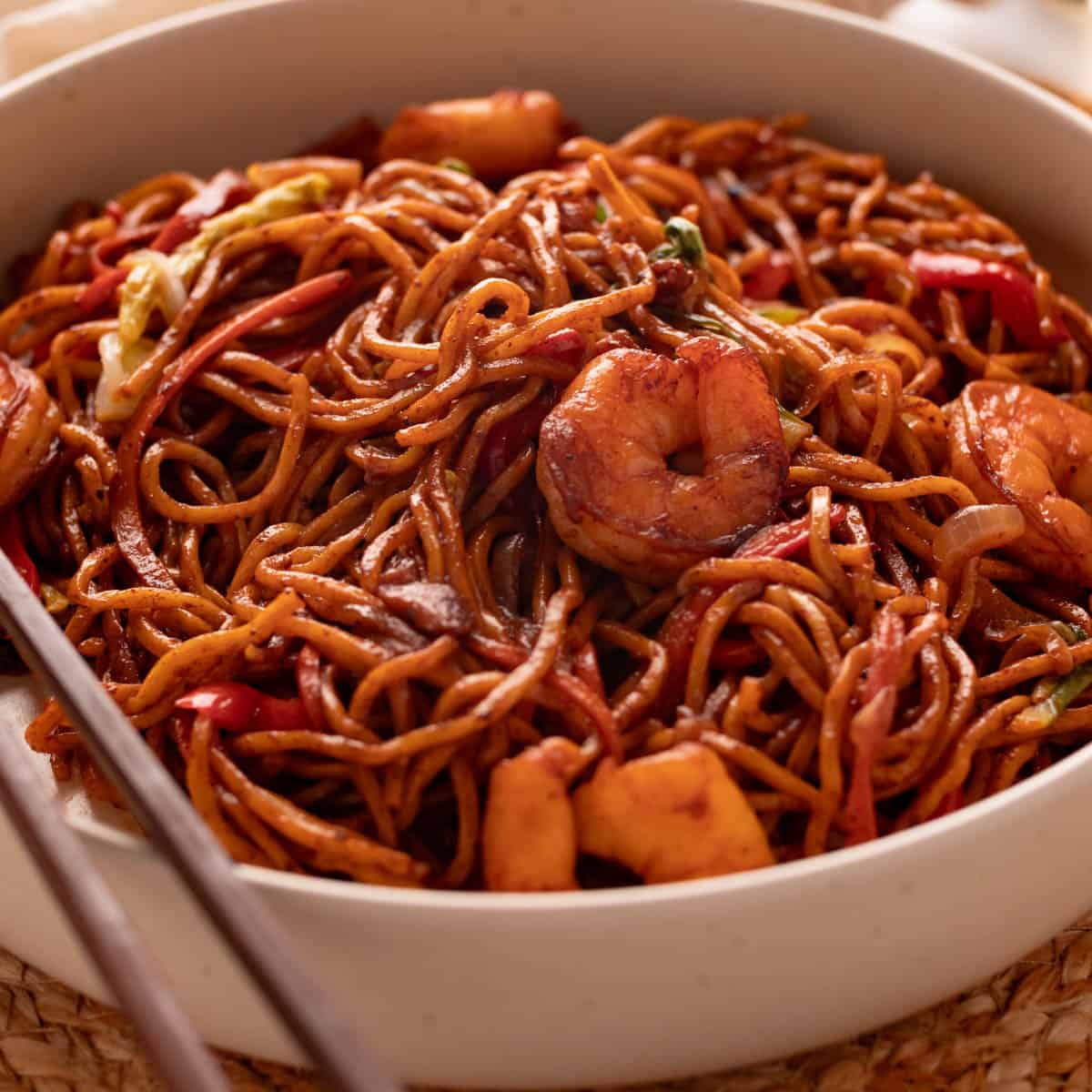
The Secret to Irresistible Shrimp Lo Mein: Unlocking Flavor Through Sauce & Ingredient Swaps
There's a reason why Shrimp Lo Mein: Quick Recipe Secrets for Takeout Taste consistently ranks as a top takeout favorite. Its tender noodles, succulent shrimp, and vibrant vegetables, all coated in a rich, savory sauce, create an undeniable culinary comfort. But what if we told you that achieving that restaurant-quality flavor – and even surpassing it – is not only possible at home but can also be faster and more adaptable than you think? The true magic of an irresistible shrimp lo mein lies not just in the core ingredients, but in understanding the foundational sauce and embracing the flexibility of ingredient swaps. Forget rigid recipes; it's time to channel your inner culinary artist and discover how to make lo mein truly your own.
The Culinary Core: Mastering the Irresistible Shrimp Lo Mein Sauce
If there's one non-negotiable component in any memorable lo mein, it's the sauce. As many home cooks instinctively know, the right blend elevates the dish from simple noodles and stir-fry to an explosion of balanced flavors. The secret, often passed down through generations, resides in a classic trifecta: oyster sauce, hoisin sauce, and soy sauce. This combination forms the backbone of the authentic shrimp lo mein experience, delivering a harmonious blend of umami, sweetness, and savory depth.
- Oyster Sauce: This isn't just for seafood; it's a fundamental umami booster in Chinese cuisine. It provides a deep, savory foundation with a subtle sweetness and a glossy texture. Don't worry about a strong "oyster" taste; it's incredibly mild and simply enhances the overall richness.
- Hoisin Sauce: Often called Chinese BBQ sauce, hoisin brings a sweet, tangy, and slightly spicy element to the mix. Its complex flavor profile, with notes of fermented soybeans, garlic, and five-spice, adds character and a beautiful sheen to your noodles.
- Soy Sauce: The essential seasoning. Use a good quality light soy sauce for saltiness and umami. For a richer color and even deeper flavor, a touch of dark soy sauce can be introduced, but use it sparingly as it's more intense.
While these three are the pillars, don't hesitate to personalize your lo mein sauce. Consider adding:
- Sesame Oil: A drizzle of toasted sesame oil at the end adds an unmistakable nutty aroma.
- Rice Vinegar: A splash can cut through the richness, offering a subtle tang.
- Fresh Aromatics: Grated fresh ginger and minced garlic, sautéed briefly before adding other ingredients, infuse the entire dish with incredible warmth and pungency.
- Sugar: If your sauce needs a touch more sweetness to balance the savory notes, a pinch of sugar or honey can work wonders.
- Sriracha or Chili Garlic Sauce: For those who love a kick, these additions bring welcome heat.
Pro Tip: Always whisk your sauce ingredients together in a separate bowl *before* you start cooking. This ensures even distribution of flavors and allows you to taste and adjust the balance. A slurry of cornstarch and water (about 1 tablespoon cornstarch mixed with 2 tablespoons cold water) can be added towards the end of cooking to thicken your sauce to that perfect clingy consistency. Remember, the sauce is where the magic happens, transforming simple ingredients into an irresistible shrimp lo mein symphony.
Beyond Shrimp: Creative Protein & Noodle Swaps for Your Lo Mein
One of the beautiful aspects of homemade lo mein is its incredible versatility. While succulent shrimp is a classic choice – prized for its quick-cooking nature and delicate flavor – your kitchen is your canvas. Don't be afraid to explore other proteins and even different types of noodles to suit your taste, dietary needs, or whatever you have on hand.
Flexible Protein Options:
- Shrimp: The star of our shrimp lo mein, it cooks in minutes. To ensure tender, juicy results, avoid overcooking. Look for plump, medium-sized shrimp, fresh or frozen (thaw properly).
- Tofu: For a delightful vegetarian lo mein, firm or extra-firm tofu is an excellent substitute. Press it to remove excess water, then cube and pan-fry until golden and slightly crispy before adding it to your stir-fry. It absorbs flavors beautifully.
- Chicken: Thinly sliced chicken breast or thigh is a fantastic option. Marinating it briefly (15-20 minutes) in a little soy sauce, cornstarch, and a touch of sesame oil will help keep it tender and flavorful.
- Beef or Pork: Lean cuts like sirloin or pork loin, thinly sliced against the grain, work well. Velveting the meat (coating in cornstarch and then briefly blanching or stir-frying) is a traditional Chinese technique to ensure incredible tenderness.
- Eggs: Scrambled eggs or thin strips of omelet can be a lovely addition, either alongside other proteins or as a simple vegetarian protein boost.
Noodle Adventures:
The choice of noodles is crucial for the authentic lo mein experience. Lo mein traditionally uses fresh or dried egg noodles, which are boiled separately until al dente before being tossed with the other ingredients and sauce.
- Traditional Egg Noodles: These are the classic. Fresh egg noodles are ideal, offering a chewier texture. If using dried, ensure they are cooked according to package directions, then rinsed and lightly tossed with a tiny bit of oil to prevent sticking.
- Shirataki Noodles: For a lower-carb or gluten-free alternative, shirataki noodles are a fantastic option. Made from konjac yam, they are fiber-rich and have a unique, slightly chewy texture. Rinse them thoroughly before use to remove their characteristic odor.
- Udon Noodles: These thick, chewy wheat flour noodles offer a different textural experience, absorbing the sauce wonderfully.
- Ramen Noodles (without the seasoning packet): A quick and accessible option, just cook the noodles and discard the flavor packet for a budget-friendly swap.
- Spaghetti or Linguine: In a pinch, Italian pasta can be a surprisingly good stand-in! Just cook them until firm and rinse well.
It's important to remember that for lo mein, the noodles are boiled separately and added to the stir-fry at the end. This is a key distinction from its cousin, chow mein, where noodles are often stir-fried until crispy. To truly understand the nuances between these two beloved dishes and perfect your technique, delve into the delicious differences between them by exploring Shrimp Lo Mein vs. Chow Mein: Unlock Their Delicious Differences.
The Versatile Palette: Vegetable Combinations for Crunchy, Flavorful Lo Mein
Beyond the sauce and protein, the vibrant array of vegetables is what gives lo mein its fresh texture, nutritional value, and visual appeal. This is another area where improvisation shines, allowing you to use whatever produce is fresh, seasonal, or simply waiting in your fridge.
Essential and Highly Recommended Vegetables:
- Cabbage/Slaw Mix: Shredded cabbage (or a convenient bag of pre-shredded coleslaw mix) is a cornerstone, offering a delightful crunch and mild sweetness.
- Carrots: Julienne or thinly sliced carrots add color and a touch of natural sweetness.
- Bell Peppers: Red, yellow, or orange bell peppers contribute vibrant color and a fresh, slightly sweet flavor.
- Mushrooms: Sliced mushrooms (cremini, shiitake, or even button) lend an earthy, umami depth.
- Broccoli: Small florets of broccoli add a pleasant bite and nutritional punch.
- Onion: Sliced yellow or white onion provides a savory base and sweetness when caramelized.
- Zucchini: Sliced or julienned zucchini cooks quickly and adds a tender texture.
Additional & Seasonal Swaps:
- Snow Peas or Snap Peas: For a burst of green and crispness, add these in the final minutes of cooking.
- Bok Choy or Spinach: Leafy greens wilt down beautifully, offering tenderness and a healthy boost. Add them right at the very end.
- Water Chestnuts & Bamboo Shoots: These canned ingredients deliver unique crisp textures that elevate the professional feel of your homemade shrimp lo mein.
- Bean Sprouts: A classic addition for a fresh, watery crunch; stir them in at the very last second.
Tips for Vegetable Perfection:
- Uniform Cutting: Cut your vegetables into similar sizes and shapes to ensure even cooking.
- Cook in Batches: If using a standard home pan, avoid overcrowding. Cook vegetables in batches to ensure they stir-fry rather than steam, maintaining their crispness.
- Fresh or Frozen: Both work beautifully. Frozen mixed stir-fry vegetables are a fantastic shortcut for a quicker-than-takeout meal. Just ensure they are thawed and drained before adding them to the wok.
Crafting Your Perfect Bowl: Tips for an Authentic Homemade Experience
Bringing all these components together is where your shrimp lo mein truly comes to life. While the ingredients are crucial, the technique ensures that every bite is packed with flavor and perfect texture.
- High Heat is Key: For stir-frying, use a wok or a large, heavy-bottomed skillet over high heat. This creates that desirable "wok hei" (breath of the wok) flavor that characterizes authentic Chinese cooking.
- Prep Everything First (Mise en Place): Chop all your vegetables, prepare your protein, boil your noodles, and whisk your sauce before you even turn on the stove. Stir-frying is fast-paced; you won't have time to chop mid-cook.
- Cook in Stages:
- Aromatics: Start with minced garlic and grated ginger (and sliced onions if using) to build a fragrant base.
- Protein: Cook your shrimp (or chosen protein) until almost done, then remove it from the wok. This prevents overcooking.
- Harder Vegetables: Add vegetables like carrots, bell peppers, and broccoli first, giving them a head start.
- Softer Vegetables: Introduce mushrooms, zucchini, and leafy greens later, as they cook faster.
- Reintroduce Protein & Noodles: Once vegetables are crisp-tender, add your cooked protein and the boiled, drained noodles back into the wok.
- Sauce & Toss: Pour your pre-mixed sauce over everything and toss vigorously until every strand of noodle and every piece of ingredient is evenly coated and glossy. Add the cornstarch slurry here if you want to thicken the sauce.
- Don't Overcrowd the Wok: This is a common mistake. Overcrowding lowers the temperature and steams the food instead of stir-frying it, leading to soggy results. Cook in batches if necessary.
- Taste and Adjust: Always taste your lo mein before serving. Does it need more salt? A touch more sweetness? A splash of vinegar? Adjust seasonings as needed to suit your palate.
Serve your homemade shrimp lo mein immediately for the best flavor and texture. It pairs wonderfully with other Asian-style sides like spring rolls, potstickers, or a simple cucumber salad, transforming your dining table into your very own takeout haven.
Conclusion: Your Irresistible Shrimp Lo Mein Journey Begins
The journey to crafting an irresistible shrimp lo mein at home is one of discovery and delicious experimentation. By understanding the foundational role of the sauce – that magical blend of oyster, hoisin, and soy – and embracing the freedom of ingredient swaps, you unlock endless possibilities. From succulent shrimp to versatile tofu, and classic egg noodles to healthier shirataki, every element can be tailored to your preference. With a few key techniques and a willingness to explore, you'll not only recreate a takeout classic but elevate it into a personalized culinary masterpiece that's uniquely yours. So, gather your ingredients, fire up your wok, and prepare to delight in every savory, saucy bite of your perfect homemade lo mein.
